

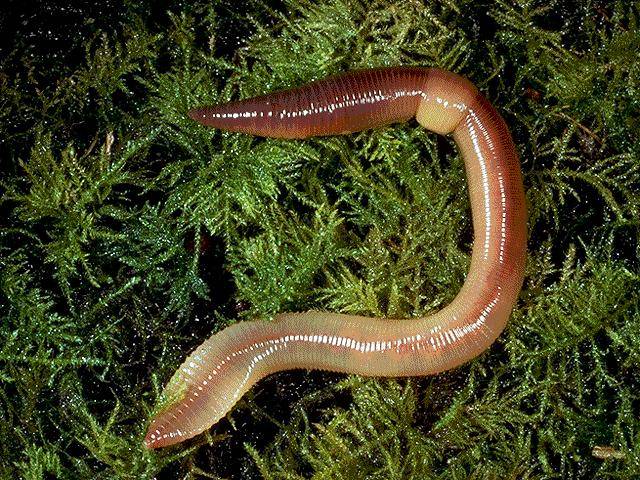
 There are 6,000 species of earthworms with only 150 species considered common. Lumbricus terrestris is probably the species most commonly referred to as a nightcrawler… a sinister name and usually further cataloged in the bait business as Nightcrawlers, as well as Green Nightcrawlers and Small Nightcrawlers. Not to worry— The Bait Guy knows worms. Eisenia hortensis is the smaller nightcrawler recommended for panfish as it is not as large as the Lumbricus terrestris variety.
Red Worms, Leeches, Crappie Minnows, Fathead Minnows, and Wax Worms are on the menu also. Euro Larva is another offering that has become popular. The Bait Guy maintains comprehensive records of what’s working and solicits feedback from various sources including the DNR. The primary source of bait feedback is, of course, the managers at the convenience stores who sell the bait. If we keep their customers— the fishermen— happy, then our customers— the managers— are happy.
Most common earthworm species, such as Lumbricus terrestris, which can often be dug up in the garden, are eminently suitable for freshwater fishing. However, on a commercial scale, they are not really candidates for worm farming to provide fishing bait.
The greyish brown common earthworms are deep burrowing (anecic) and do not readily breed in the shallow worm farm bins. The red compost worms, such as the well-known red wiggler, or the exotic European nightcrawler, are better candidates as they are epigeic, or surface dwellers. This is the reason that red worms are more usually available commercially for bait worms. Their natural home is just below the surface in rottng leaves, dung heaps and other plant litter. They are called detritivourous because they eat detritus (waste material). And, thankfully, the fish like to eat them.